How to Care for Jewelry You Wear Every Day
Care and Cleaning Tips for Keeping Your James Avery Jewelry Looking Its Best
Some jewelry becomes such a part of your daily life that you hardly think about putting it on. The ring your kids gave you that rarely leaves your finger or the earrings you always put on before leaving the house.
But when jewelry becomes part of your everyday life, it also means they are exposed to a lot. Hands, clothing, beauty products and daily activities can all affect how a design looks and wears over time.
We’ve put together our tried-and-true tips for keeping your favorites looking their best, including how to care for different types of metals and stones, storage tips and more.
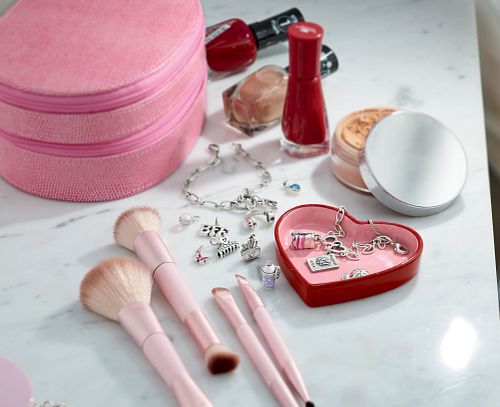
A Few Simple Care & Cleaning Habits That Go a Long Way
Know When to Remove Your Jewelry:
1. During Vigorous Physical Activity
Physical activity can affect jewelry in ways that aren't always obvious.
Jewelry can catch on equipment, clothing or other objects. Moving bracelet links may experience added friction. Chains and clasps can be pulled unexpectedly. Gemstones and settings may be bumped and loosened.
For these reasons, it's best to remove your jewelry before vigorous physical activity whenever possible. While all our designs go through rigorous wear testing and are made to be worn every day, these small habits can ensure the longevity of your favorite designs.
2. When Using Household Chemicals or Personal-Care Products
Strong household cleaners, aerosols, perfumes and certain beauty products may affect some materials more than others. To be safe, it’s always best to put your jewelry on after using beauty products, especially for enamel, pearl, leather and art glass designs.
3. Before Swimming, Bathing or Other High-Moisture Activities
We always recommend removing your jewelry before swimming, bathing or washing your hands.
From the chlorine in pools and hot tubs, salt in the ocean to hard tap water, there are so many chemicals it’s best not to expose your jewelry to. Even though our designs are crafted in solid sterling silver and 14K yellow gold, they can still become discolored or cause skin irritation when chemicals build up on them.
Take a Quick Look Before Putting on or Taking Off Your Jewelry
A quick inspection can help you spot small issues before they become larger ones.
When removing or putting on jewelry, look for:
- Clasps that don't close securely
- Connecting loops that appear thin or misshapen
- Loose or moving stones
- Bent prongs
- Catches or kinks in chains
- Bracelets that appear out of shape
- Worn pearl strands or clasps
- Changes in a leather cord's fit or appearance
This is especially important for charm bracelets and other designs with links or clasps. Daily movement naturally creates metal-on-metal friction, and jewelry worn regularly may show signs of wear sooner than designs worn occasionally.
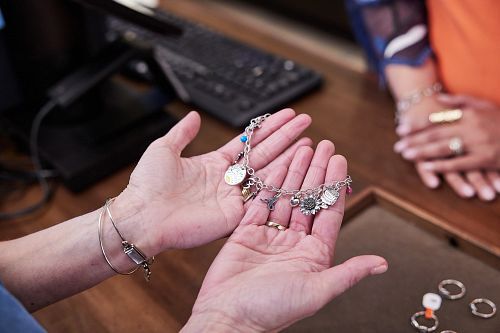
Gently Polish or Clean Your Jewelry Regularly
Regularly polishing your jewelry with our Polishing Cloth or cleaning them with gentle dish soap and water is a great place to start. We also offer a Delicate Gem and Pearl Cleaner for additional sparkle and shine.
Please note: Not all jewelry should be cleaned the same way.
Instead of reaching for a single cleaning method for all your pieces, start by considering the materials and finishes in each individual design.
When in doubt, follow our Care and Cleaning Guide or visit your local James Avery store for further assistance.
Did You Know?
Our stores offer complimentary professional cleaning on up to 10 designs at a time.
We’re always here to help keep your jewelry looking shiny and new! Find a store near you.

Store Your Jewelry Properly
Giving frequently worn designs a safe storage spot makes them easier to find (you’re much less likely to lose them) while helping reduce scratching, tangling and unnecessary wear.
Our Top Tips for Storing Your Jewelry
A lined tray, compartment organizer or soft jewelry keeper can help keep favorite designs organized and protected between wears.
1. Try to avoid leaving jewelry beside sinks (earrings lost down the drain is the worst!), on counters or at the bottom of handbags, where scratches and tangles are more likely to happen.
2. Keep designs from rubbing and tangling. Storing them with a little separation can make a big difference. Store pearls, leather and glass away from harder jewelry. Fasten chains before storing when possible. Keep heavier designs from resting or rubbing against more delicate styles.
3. Keep your jewelry in an air-tight container when possible. Storing your sterling silver jewelry in a plastic bag or other closed container can help reduce tarnishing.
Storage can't stop wear entirely, but it can help protect your jewelry when it's not being worn.
Quick Guide to Cleaning Jewelry by Material
| Jewelry Type | Routine Direction | Important Caution |
|---|---|---|
| Sterling silver, gold and approved metals | Use the appropriate polishing cloth according to its directions | Avoid over-polishing details or intentionally-designed oxidation |
| Oxidized jewelry | Clean gently while preserving dark details | Avoid chemical dips and ultrasonic cleaners |
| Gemstones | Follow material-specific care guidance | Not every gemstone is suitable for heat, steam or ultrasonic cleaning |
| Pearls | Wipe with a soft cloth after wear | Avoid cosmetics, ultrasonic cleaners and harsh chemical dips |
| Enamel | Follow approved enamel-care methods | Avoid strong household chemicals and solvents |
| Leather | Keep away from moisture and chemical exposure | Store separately and avoid strenuous activity |
| Doublets and triplets | Wipe with a soft cloth | Avoid water, soap, steam, cosmetics, chemicals and ultrasonic cleaners |
Sterling Silver and 14K Gold
Routine care for sterling silver and gold jewelry is often as simple as gentle polishing when needed.
The James Avery Polishing Cloth features an inner polishing layer and an outer buffing layer. Used according to directions, it can help maintain shine and remove surface tarnish.
As with most things, moderation matters. Over-polishing can gradually affect intricate details and intentionally oxidized elements of the design.
Oxidized or Highly Detailed Designs
At James Avery, our .925 sterling silver is alloyed with copper rather than nickel or brass. Not only does this make it great for people with skin sensitivities, but it also allows us to create the rich oxidized details found in many of our designs, like the beloved Mariposa Ring.
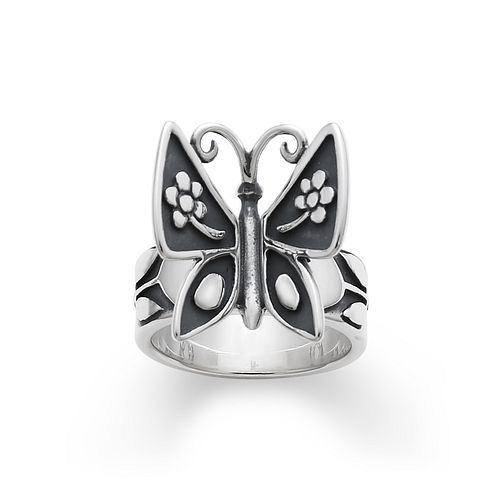
Those darker recessed areas create contrast and depth, helping highlight the artful details that make each design unique. Over time, regular wear and polishing can naturally lighten some of that contrast. If you're concerned a piece is losing a significant amount of its original oxidation, contact our Customer Service team to learn about available oxidation care services.
To help preserve these details, avoid aggressive cleaning methods such as chemical dips or excessive polishing and buffing.
Gemstones
Some gemstones tolerate more exposure than others, while certain stones may be sensitive to heat, direct sunlight or specific cleaning methods.
Because gemstone properties vary, it's important not to assume every gemstone can be soaked, steamed or cleaned ultrasonically. For more information on specific gemstones, visit our Care and Cleaning Guide.
Pearls
Pearls benefit from a few simple habits:
- Remove them when applying cosmetics and hair products.
- For pearl rings, remove them while washing your hand as soap can loosen the setting.
- Wipe them gently with a soft cloth after wear.
- Store them separately from other designs.
- Avoid rigorous activity that may bump the stone.
- Avoid ultrasonic cleaners and harsh chemical dips.
Bonus Tip: If you wear a pearl necklace regularly, it's also worth checking the strand and clasp periodically for signs of wear.
Let Us Help Care for Your Jewelry
Whether you have questions about cleaning, maintenance or wear, we're happy to help.
Quick Everyday Jewelry Care Checklist
- Put jewelry on after cosmetics and personal-care products.
- Remove jewelry before vigorous physical activity, swimming or bathing.
- Check clasps, links, settings and stones regularly.
- Clean according to the design's materials.
- Never assume one cleaner is safe for every type of jewelry.
- Avoid over-polishing detailed or oxidized designs.
- Store jewelry separately when materials may scratch, rub or tangle.
- Pause wearing jewelry that appears loose, bent, stretched or damaged.
- Ask a professional when the material or cleaning method is uncertain.
Frequently Asked Questions About Everyday Jewelry Care
How do you care for jewelry you wear every day?
Be mindful of when and where you’re wearing your favorite pieces. Inspect and clean them regularly and store them safely. It’s also important to remove jewelry before vigorous activity and pay attention to signs of wear before they become larger issues.
Should you shower while wearing jewelry?
We always recommend removing your James Avery jewelry before showering. Also, if you wear rings, we recommend removing them when washing your hands, especially for rings set with gemstones.
How often should everyday jewelry be cleaned?
There's no universal schedule you need to follow, so we recommend cleaning your jewelry when tarnish, residue or dullness becomes visible. Our stores also offer complimentary professional cleaning on up to 10 designs at a time, which is great for anytime you need a little refresh.
Can one polishing cloth be used on every type of jewelry?
No. A polishing cloth intended for approved metals should not be used on pearls, leather and other sensitive materials. We recommend visiting our extensive Care and Cleaning page for details on each material type.
Is ultrasonic cleaning safe for all jewelry?
No. Suitability depends on the gemstone, material, finish and overall construction.
How do you know when jewelry needs professional care?
Professional assistance may be appropriate if a clasp, link, prong, stone, strand or cord appears worn, loose or damaged. We’re always here to take a look at a piece you’re concerned about, and we offer free professional cleaning in our stores (for up to 10 pieces at a time).
How should I care for a charm bracelet I wear every day?
We recommend checking the links at least once a week or as often as you remember, especially if the bracelet is worn daily. You’ll also want to make sure the jump rings that connect the charms are soldered correctly and don’t look bent or misshapen. Our best tip: remove your bracelet before vigorous activity and or where it will be bumped or caught at a lot.